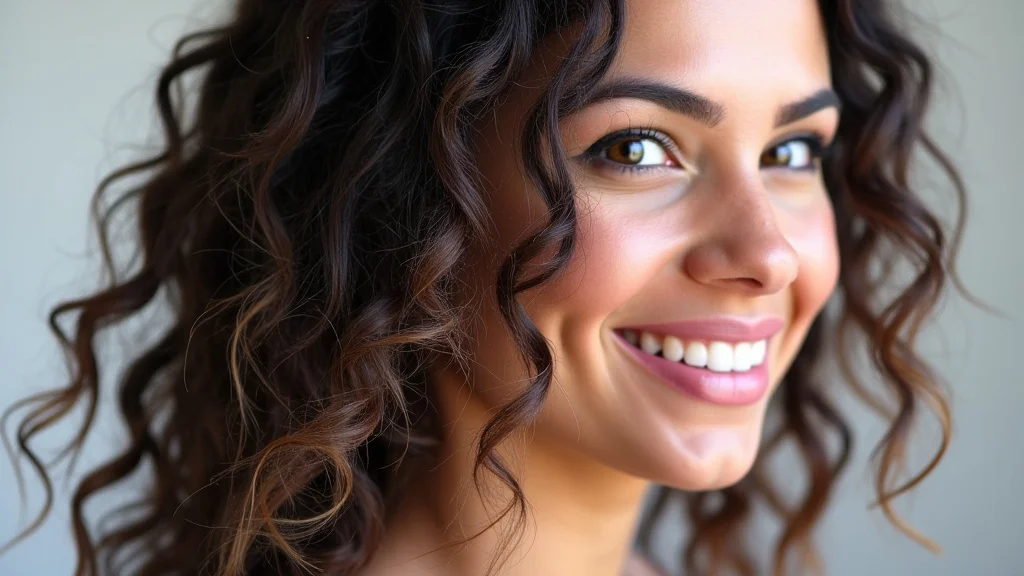
Trying to figure out the best hair care can feel like a puzzle, right? So many products and tips can make it tricky, especially when you’re just starting out. But don’t worry!
We’ll break it down into simple steps that make sense. Getting healthy, happy hair is totally possible, and we’ll show you how. Get ready to discover easy ways to make your hair look and feel its best, covering all the basics you need to know.
Key Takeaways
- You will learn how to identify your hair type and its specific needs.
- Discover the essential steps for a healthy hair care routine.
- Understand common ingredients and what to look for in products.
- Learn how to address frequent hair concerns effectively.
- Gain confidence in choosing the right products for your hair.
Understanding Your Hair Type
Figuring out what kind of hair you have is the first big step. Your hair type affects everything from how it looks to how you should care for it. Knowing if your hair is oily, dry, fine, thick, curly, or straight helps you pick the right products and methods.
This knowledge is the foundation for building a great hair care plan. It means you won’t waste time or money on things that don’t work for you.
Identifying Your Scalp Type
Your scalp type is just as important as your hair type. If your scalp is oily, your hair might look greasy quickly. A dry scalp can lead to itchiness and flakes.
Normal scalps are balanced and usually don’t have many problems. Combination scalps can be oily in some areas and dry in others. Paying attention to your scalp helps you manage issues like dandruff or excessive oil production.
It’s the start of truly healthy hair.
For instance, if your scalp feels tight after washing and you see white flakes that aren’t oily, you likely have a dry scalp. If you feel like you need to wash your hair every day because it gets oily fast, you probably have an oily scalp. This simple observation guides product choices significantly.
- Dry Scalp: Feels tight, may be itchy, causes non-oily flakes.
- Oily Scalp: Hair looks greasy quickly, may have larger, yellowish flakes.
- Normal Scalp: Balanced, not too oily or dry, feels comfortable.
- Combination Scalp: Oily in some areas (like the forehead or crown) and dry elsewhere.
A dry scalp needs moisture. Look for shampoos and conditioners with hydrating ingredients like glycerin, aloe vera, or natural oils. Avoid harsh sulfates that can strip natural oils, making dryness worse.
Regular scalp massages with gentle oils can also help improve circulation and hydration.
An oily scalp requires cleansing to remove excess sebum. Use clarifying shampoos or those formulated for oily hair. Washing hair regularly, perhaps daily or every other day, is often necessary.
Ingredients like salicylic acid can help control oil. Be careful not to overwash, as this can sometimes lead to your scalp producing even more oil.
A normal scalp is the easiest to manage. Most gentle shampoos and conditioners will work well. Focus on maintaining balance and health with good general hair care practices.
Regular washing and conditioning are usually sufficient.
This type can be tricky. You might need to use different products on different parts of your scalp. A gentle shampoo overall might be best, with targeted treatments for oiliness or dryness as needed.
Finding the right balance is key.
Understanding Hair Porosity
Hair porosity refers to how well your hair can absorb and retain moisture. This is a bit more technical but really important for effective hair care. There are three main levels: low, medium, and high porosity.
Each level needs different types of products and methods. Getting this right means your hair will stay hydrated and healthy.
- Low Porosity Hair:
- Medium Porosity Hair:
- High Porosity Hair:
This hair has tightly closed cuticles. It’s hard for moisture to get in, and it takes a long time to dry. Products can sit on top of the hair shaft, making it feel heavy or greasy.
You’ll want to use lightweight products and focus on steam or heat to help moisture penetrate. Warm water rinses can also help open the cuticles slightly.
This hair has evenly spaced cuticles, allowing moisture to enter and exit with ease. It holds moisture well and is generally easier to manage. Most hair care products and methods will work well for medium porosity hair.
Focus on maintaining hydration and protein balance.
This hair has raised or open cuticles, making it easy for moisture to be absorbed but also lost quickly. It tends to be dry, prone to frizz, and may break easily. You’ll need products that help seal moisture in, like heavier creams, oils, and leave-in conditioners.
Protein treatments can also help strengthen the hair shaft.
A simple test for porosity involves placing a clean strand of hair in a glass of water. If it floats, it has low porosity. If it sinks slowly, it’s medium porosity.
If it sinks quickly, it has high porosity. This test can be a helpful guide.
Determining Your Hair Texture
Hair texture refers to the shape of your hair strand. The main types are straight, wavy, curly, and coily. Each texture has unique needs.
Straight hair tends to be oilier, while curly and coily hair can be drier. Understanding your texture helps you choose products that enhance your natural pattern and keep your hair healthy.
- Straight Hair:
- Wavy Hair:
- Curly Hair:
- Coily Hair:
Hair that falls straight from the root to the tip. It can range from fine and silky to coarse. Because oil from the scalp travels down easily, straight hair can sometimes look oily.
Gentle shampoos and lightweight conditioners are often best. Avoid heavy products that can weigh it down.
Hair that has a natural bend or wave pattern. It can be prone to frizz and might need products that define the waves without making them stiff. Moisturizing shampoos and conditioners help manage frizz.
Styling products that offer hold and hydration are beneficial.
Hair that forms distinct curls, often with an S-shape. Curls can be prone to dryness and breakage because the natural oils from the scalp have a harder time traveling down the spiral. Hydrating products, curl-defining creams, and leave-in conditioners are essential.
Washing less frequently and using co-wash (conditioner washing) can help retain moisture.
Hair that forms very tight curls, zig-zags, or spirals close to the scalp. This texture is often the driest and most prone to shrinkage and breakage. Rich, moisturizing products, deep conditioning treatments, and protective styles are crucial.
Oils and butters are excellent for sealing in moisture.
The Essential Hair Care Routine
A good hair care routine doesn’t have to be complicated. It’s about consistency and using the right steps for your hair’s needs. We’ll cover the basics: washing, conditioning, and drying.
Following these steps can make a huge difference in the health and appearance of your hair. It’s about building good habits that keep your hair strong and vibrant.
Washing Your Hair Correctly
Washing is fundamental, but how often and how you do it matters. Most people don’t need to wash their hair every single day. Overwashing can strip your hair of its natural oils, leading to dryness and a dry scalp.
The frequency depends on your scalp type and how much product you use.
- How Often to Wash:
- Choosing the Right Shampoo:
- The Washing Technique:
For most people, washing 2-3 times a week is sufficient. Those with oily scalps might need to wash more often, while those with dry or curly hair can go longer between washes. Pay attention to how your hair looks and feels.
If it’s looking flat and greasy, it’s probably time for a wash. If it feels dry and brittle, you might be washing too much.
Select a shampoo that matches your scalp type. Sulfates are common cleansing agents, but they can be harsh for some hair types, especially dry or color-treated hair. Look for sulfate-free options if your hair tends to be dry or fragile.
For oily hair, a shampoo with sulfates might be beneficial for a deeper clean.
When you wash, focus the shampoo on your scalp to clean away oil and dirt. Gently massage your scalp with your fingertips, not your nails. Let the shampoo lather and rinse down the lengths of your hair.
This is usually enough to clean the hair strands without harsh scrubbing. Rinse thoroughly with lukewarm water to remove all product residue.
The Importance of Conditioning
Conditioner is not optional; it’s a vital part of hair health. It helps to replenish moisture, smooth the hair cuticle, and make hair easier to manage. Using conditioner regularly can prevent breakage and improve shine.
It’s the perfect follow-up to shampooing.
- When to Use Conditioner:
- Types of Conditioners:
- How to Apply Conditioner:
Always use conditioner after shampooing. Apply it from the mid-lengths to the ends of your hair. Avoid applying conditioner directly to your scalp, especially if you have oily hair, as it can weigh your hair down or make your scalp feel greasy.
There are rinse-out conditioners, which are the standard. Deep conditioners or hair masks are more intensive treatments that you leave on for a longer period (5-20 minutes) for extra moisture and repair. Leave-in conditioners are applied after washing and do not need to be rinsed out, providing ongoing hydration and protection.
After shampooing and rinsing, gently squeeze out excess water from your hair. Apply a generous amount of conditioner, focusing on the ends, which are usually the driest. You can use a wide-tooth comb to distribute the conditioner evenly through your hair.
Let it sit for a minute or two before rinsing thoroughly with cool water. Cool water helps to seal the hair cuticle, locking in moisture and adding shine.
Drying Your Hair Safely
How you dry your hair can impact its health and appearance. Harsh drying methods can lead to damage, frizz, and breakage. Gentle drying is key to maintaining smooth, strong hair.
- Towel Drying Techniques:
- Air Drying Benefits:
- Using Heat Styling Tools:
Avoid roughly rubbing your hair with a towel. This can rough up the cuticle and cause frizz. Instead, gently squeeze excess water out with your hands.
Then, use a soft towel, like a microfiber towel or an old cotton t-shirt, to blot your hair dry. Patting is much gentler than rubbing.
Air drying is the gentlest method and requires no heat. If you have the time, letting your hair air dry completely is a great way to minimize damage. Apply styling products while your hair is still damp to help define your natural texture and reduce frizz as it dries.
If you use a hairdryer, curling iron, or flat iron, always use a heat protectant spray. This creates a barrier between your hair and the heat, reducing damage. Use the lowest heat setting that still gets the job done.
Don’t hold the heat tool on one spot for too long. Let your hair cool completely before styling further.
Key Ingredients and What They Do
The ingredients in your hair products play a big role in their effectiveness. Some ingredients are great for moisture, others for strength, and some help with cleansing. Knowing what to look for can help you make smarter choices for your hair.
It’s like knowing what healthy foods are for your body.
Moisturizing Ingredients
Moisture is essential for soft, manageable, and healthy hair. These ingredients help attract and retain water in your hair shaft.
- Glycerin:
- Natural Oils (Argan, Coconut, Jojoba):
- Aloe Vera:
Glycerin is a humectant, meaning it draws moisture from the air into your hair. It’s very effective at hydrating dry hair. However, in very humid conditions, it can sometimes cause hair to frizz as it draws in too much moisture from the air.
It’s best used in products designed for dry or normal humidity environments.
These oils are rich in fatty acids and vitamins that nourish and condition hair. Argan oil is known for its smoothing and shine-enhancing properties. Coconut oil can penetrate the hair shaft to provide deep moisture.
Jojoba oil is similar to the natural sebum produced by our scalp, making it great for balancing moisture. They help to seal the cuticle and prevent moisture loss.
Aloe vera is soothing for the scalp and hydrating for the hair. It contains vitamins, minerals, and amino acids that can help strengthen hair and improve its overall condition. It’s often found in shampoos, conditioners, and styling products for its moisturizing and calming effects.
Strengthening Ingredients
These ingredients help to repair damage and fortify the hair shaft, reducing breakage.
- Proteins (Keratin, Wheat Protein, Silk Protein):
- Biotin:
- Panthenol (Vitamin B5):
Hair is made primarily of protein, so replenishing it can strengthen and repair damage. Keratin is the main structural protein in hair. Wheat and silk proteins are smaller and can penetrate the hair shaft to provide internal strength and reduce breakage.
They are particularly beneficial for damaged, chemically treated, or brittle hair.
Also known as Vitamin B7, biotin is essential for hair health. It plays a role in cell growth and the production of keratin. While often marketed for hair growth, its primary benefit is strengthening existing hair and improving its texture, making it less prone to breakage.
Panthenol is a form of vitamin B5 that can penetrate the hair shaft, providing moisture and improving elasticity. It adds body and shine to hair and can help to repair damage caused by heat styling or chemical treatments. It also helps to thicken the hair.
Cleansing Ingredients
These are the ingredients that actually clean your hair and scalp.
- Sulfates (Sodium Lauryl Sulfate, Sodium Laureth Sulfate):
- Cocamidopropyl Betaine:
- Natural Cleansers (e.g., Soap Bark Extract, Soapwort):
Sulfates are very effective at removing dirt, oil, and product buildup. They create a rich lather that many people associate with cleanliness. However, for some, they can be too harsh, stripping the hair of its natural oils and leading to dryness, irritation, and color fading.
This is a milder surfactant derived from coconut oil. It is used in many sulfate-free shampoos as a gentle cleansing agent. It helps to create lather and remove impurities without being as stripping as traditional sulfates.
It is generally well-tolerated by most hair and scalp types.
Some natural ingredients have inherent cleansing properties. These are less common in mainstream products but are found in some natural or organic formulations. They provide a gentle cleanse and are a good option for those with very sensitive scalps or who prefer to avoid synthetic ingredients.
Common Hair Problems and Solutions
Almost everyone experiences common hair problems at some point. From frizz to split ends, there are ways to manage and improve these issues. Knowing the cause helps you find the right solution.
It’s about tackling the problem head-on with the right approach.
Dealing with Frizz
Frizz happens when the hair’s outer layer, the cuticle, is raised, allowing moisture from the air to enter the hair shaft. This makes the hair swell and look uneven. Frizz is common in wavy, curly, and coily hair, especially in humid weather.
- Causes of Frizz:
- Frizz-Fighting Strategies:
- Product Recommendations:
Dryness is a major cause. When hair lacks moisture, it seeks it from the air, leading to frizz. Overwashing, harsh shampoos, heat styling without protection, and chemical treatments can also contribute.
Genetics also plays a role, with some hair types being more prone to frizz than others.
Use moisturizing shampoos and conditioners. Avoid sulfates and alcohol-based products that can dry out hair. Apply leave-in conditioners, hair oils, or anti-frizz serums to damp hair.
These products help to smooth the cuticle and seal in moisture. Air dry your hair when possible, or use a diffuser on a low heat setting. Protective styles like braids or buns can also help manage frizz.
Look for products containing ingredients like shea butter, argan oil, silicone (like dimethicone, which smooths the cuticle), and glycerin. Serums and creams designed for frizz control can be applied after styling to tame flyaways.
Addressing Split Ends
Split ends occur when the tip of the hair shaft splits into two or more strands. They are a sign of damage and can travel up the hair shaft, causing further breakage. Unfortunately, once an end is split, it cannot be repaired; it must be trimmed.
- Causes of Split Ends:
- Preventing Split Ends:
- Products for Split Ends:
Physical damage from heat styling, rough brushing, tight hairstyles, chemical treatments (coloring, perms), and friction are common causes. Trimming hair infrequently also allows split ends to form and worsen over time.
Be gentle with your hair. Avoid excessive heat styling and use heat protectant sprays. Brush your hair gently with a wide-tooth comb, especially when wet.
Get regular trims every 6-8 weeks to remove any split ends before they can cause more damage. Use moisturizing products and consider protein treatments for strength.
While nothing truly “heals” split ends, some products can temporarily seal them, making hair look smoother. Look for products with silicones or specialized “split end mending” formulas. However, the most effective solution remains regular trims.
Battling Dryness and Breakage
Dryness and breakage often go hand-in-hand. When hair is dry, it loses its flexibility and becomes brittle, making it prone to snapping. This can be caused by a lack of natural oils, environmental factors, or harsh hair care practices.
- Why Hair Becomes Dry:
- Restoring Moisture:
- Preventing Breakage:
- Sample Scenario – Dry, Brittle Hair:
- Switch to a sulfate-free, moisturizing shampoo and a rich, hydrating conditioner.
- Incorporate a deep conditioning mask once a week, leaving it on for 15-20 minutes.
- Apply a leave-in conditioner or a hair oil to damp hair after washing to seal in moisture.
- Reduce heat styling and always use a heat protectant when you do use hot tools.
- Get regular trims to remove split ends and prevent further breakage.
Your scalp might not be producing enough natural oil (sebum), or your hair’s cuticle might be damaged, allowing moisture to escape. Overwashing, hot water, chemical treatments, and dry climates can all contribute to dryness. Curly and coily hair types are naturally more prone to dryness because sebum has a harder time reaching the ends.
Focus on hydrating ingredients in your hair care products. Use sulfate-free shampoos and moisturizing conditioners. Deep conditioning treatments or hair masks once a week are very beneficial.
Leave-in conditioners and hair oils can provide daily hydration. Avoid hot water when washing your hair, as it can strip natural oils.
Be gentle with wet hair; it’s at its most vulnerable. Use a wide-tooth comb or your fingers to detangle. Avoid tight hairstyles that pull on the hair.
Regular trims are important to remove weak ends. Protein treatments can help strengthen hair, but don’t overdo them, as too much protein can make hair stiff and brittle.
Styling for Health and Shine
Once your hair is healthy, styling it can enhance its natural beauty. The goal is to look good while still protecting your hair’s health. This involves using the right tools and techniques that are kind to your strands.
Using Styling Products Wisely
Styling products can help define your hair, add volume, control frizz, and provide hold. Choosing the right products and using them correctly can make a big difference. It’s about enhancing, not harming.
- Types of Styling Products:
- Application Tips:
- Natural Styling Options:
Mousses add volume and hold. Gels provide strong hold and definition, especially for curly hair. Creams offer moisture and gentle hold, good for frizz control.
Serums smooth hair and add shine. Pomades and waxes offer texture and hold for shorter styles.
Always start with a small amount of product; you can always add more if needed. Apply products to damp or dry hair depending on the product’s purpose and your desired style. Distribute evenly through your hair to avoid clumps.
For volume, apply products at the roots. For definition, focus on the lengths and ends.
For a more natural approach, consider sea salt sprays for beachy waves or natural oils to add shine and tame flyaways. Some find that simply using a good leave-in conditioner provides enough manageability for their styling needs.
Adding Shine and Luster
Shiny hair looks healthy and vibrant. Achieving shine is about smoothing the hair cuticle so it reflects light evenly.
- The Role of a Smooth Cuticle:
- Ways to Boost Shine:
- Shine-Enhancing Ingredients:
When your hair cuticle is smooth and closed, light bounces off it in a uniform way, creating shine. Rough or raised cuticles scatter light, making hair look dull.
Use conditioners that contain shine-enhancing ingredients like silicones or natural oils. Rinse your hair with cool water after conditioning; this helps to close the cuticle. Apply a hair serum or a few drops of a lightweight oil (like argan or jojoba) to dry hair to add instant shine and smoothness.
Avoid using too much product, which can make hair look greasy.
Silicones are popular for their ability to coat the hair shaft and create a smooth surface for shine. Natural oils like argan oil, grapeseed oil, and avocado oil can also add a beautiful sheen. Some products also contain light-reflecting particles.
Common Myths Debunked
Myth 1: You need to wash your hair every day.
Reality: Washing your hair every day can strip it of its natural oils, leading to dryness, scalp irritation, and even increased oil production as your scalp tries to compensate. For most people, washing 2-3 times a week is sufficient. The ideal frequency depends on your scalp type, hair texture, and lifestyle.
Myth 2: Split ends can be fixed with products.
Reality: Once a hair strand splits, there’s no way to “glue” it back together. Products can temporarily coat and seal split ends, making them less noticeable and preventing further damage. However, the only true solution for split ends is to trim them off.
Regular trims are key to preventing them.
Myth 3: Conditioner makes hair greasy.
Reality: Conditioner itself doesn’t necessarily make hair greasy. If applied too close to the scalp, especially on oily hair types, it can weigh hair down and make it appear greasy. Applying conditioner only to the mid-lengths and ends of your hair, and rinsing thoroughly, will provide benefits without the greasy feeling.
Choosing lightweight conditioners also helps.
Myth 4: Cutting your hair makes it grow faster.
Reality: Cutting your hair does not affect the hair follicles on your scalp where growth originates. Trimming your hair removes split ends and damage, which can make your hair look healthier and fuller as it grows, and prevent breakage that might slow down overall length retention. It doesn’t speed up the growth rate.
Frequently Asked Questions
Question: How often should I use a deep conditioner or hair mask?
Answer: For most hair types, using a deep conditioner or hair mask once a week is beneficial. If your hair is very dry, damaged, or color-treated, you might benefit from using one twice a week. For oily hair, you might use it less frequently, perhaps every two weeks.
Question: Can I use hair oil on my scalp?
Answer: Generally, it’s best to use hair oils on the lengths and ends of your hair to moisturize and add shine. If you have a very dry or itchy scalp, you can apply a small amount of certain oils (like jojoba or coconut oil) to your scalp and gently massage it in. However, if you have an oily scalp, it’s best to avoid applying oil directly to it.
Question: What’s the best way to detangle my hair?
Answer: Always detangle your hair when it’s damp and has conditioner or a detangling spray applied. Start by gently combing the ends of your hair, then work your way up towards the roots. Use a wide-tooth comb or your fingers to avoid snagging and breaking the hair.
Question: How do I know if my hair needs protein?
Answer: Hair that feels mushy, overly elastic, or breaks easily might need protein. If your hair feels straw-like, stiff, or brittle, you might be using too much protein. A simple strand test can sometimes help.
Take a wet strand of hair and gently stretch it. If it stretches a lot and snaps easily, it might need protein. If it stretches very little and snaps, it might be dry and need moisture.
Question: Are parabens and sulfates bad for my hair?
Answer: Parabens and sulfates are ingredients that some people choose to avoid due to potential concerns. Sulfates can be very effective cleansers but can be too harsh for dry or sensitive hair, stripping natural oils. Parabens are preservatives that some people prefer to avoid for personal health reasons.
Many effective hair care products are available without them if you prefer.
Conclusion
Finding your best hair care routine is about knowing your hair and being consistent. You’ve learned to identify your hair type, understand key ingredients, and tackle common issues. With these simple steps, you can achieve healthier, happier hair.
Start with what feels right for you and adjust as needed. Your hair will thank you.